
Togarashi is a traditional Japanese spice blend with roots deeply embedded in Japanese culinary culture. It primarily originates from Japan, where the climate varies from temperate to subtropical, providing ideal growing conditions for chili peppers, the primary backbone ingredient of togarashi. These peppers thrive in well-drained soil with moderate rainfall during the summer growing season.
The blend often reflects regional variations and local tastes, but its historical use can be traced back centuries as a seasoning for enhancing soups, noodles, grilled fish, and rice dishes. In Japanese tradition, togarashi is more than just a spice; it is regarded as a flavor booster that complements umami-rich foods and adds a balanced heat and aroma. The use of togarashi on street foods like yakitori (grilled chicken skewers) is particularly popular and culturally significant.

The primary crop used to make togarashi is chili pepper, cultivated extensively in Japan under warm summer conditions. These peppers grow best in loamy soil with good drainage and require consistent watering. Farmers monitor the peppers closely until they ripen fully to a bright red color, which usually occurs 70 to 90 days after planting. Ripeness is identified by the change in color and firmness of the pepper.
The harvest is predominantly done by hand to ensure the peppers are picked at peak maturity, preserving the flavor and heat profile. Immediately after harvesting, peppers are cleaned and carefully sun-dried to reduce moisture content and concentrate flavors. Post drying, the peppers are roasted lightly to deepen aroma before grinding.
The production of togarashi involves blending the ground dried pepper with other ingredients such as toasted sesame seeds, dried orange peel, seaweed flakes, and sometimes Sichuan pepper for texture and complex flavor layers. The quality of togarashi is judged by its vibrant color, balanced heat, and aromatic complexity. It is stored in airtight containers away from light and moisture to preserve freshness and typically has a shelf life of about 6 to 12 months.
Togarashi generally retails in the range of $4 to $12 per small bottle (about 1 to 2 ounces) depending on quality and ingredient complexity. Three factors that significantly influence its price include the quality and origin of the chili pepper used, the inclusion and proportion of specialty ingredients like seaweed or citrus peel, and the level of processing or roasting.
Home cooks are most likely to find togarashi in Asian grocery stores, specialty spice shops, or larger supermarkets with an international section. A practical buying tip is to inspect the color and aroma if possible—brighter red hues and a fresh, citrusy aroma often indicate a fresher product. Also, for beginners, starting with pre-made blends can be easier, but advanced cooks may prefer to blend their own for customization.
Togarashi features a layered flavor profile combining moderate heat from chili peppers, a slightly citrusy brightness from dried orange peel, nutty aroma from toasted sesame seeds, and umami notes from seaweed flakes. The texture is coarse and slightly crunchy due to seeds and flakes, which adds both flavor and an interesting mouthfeel.
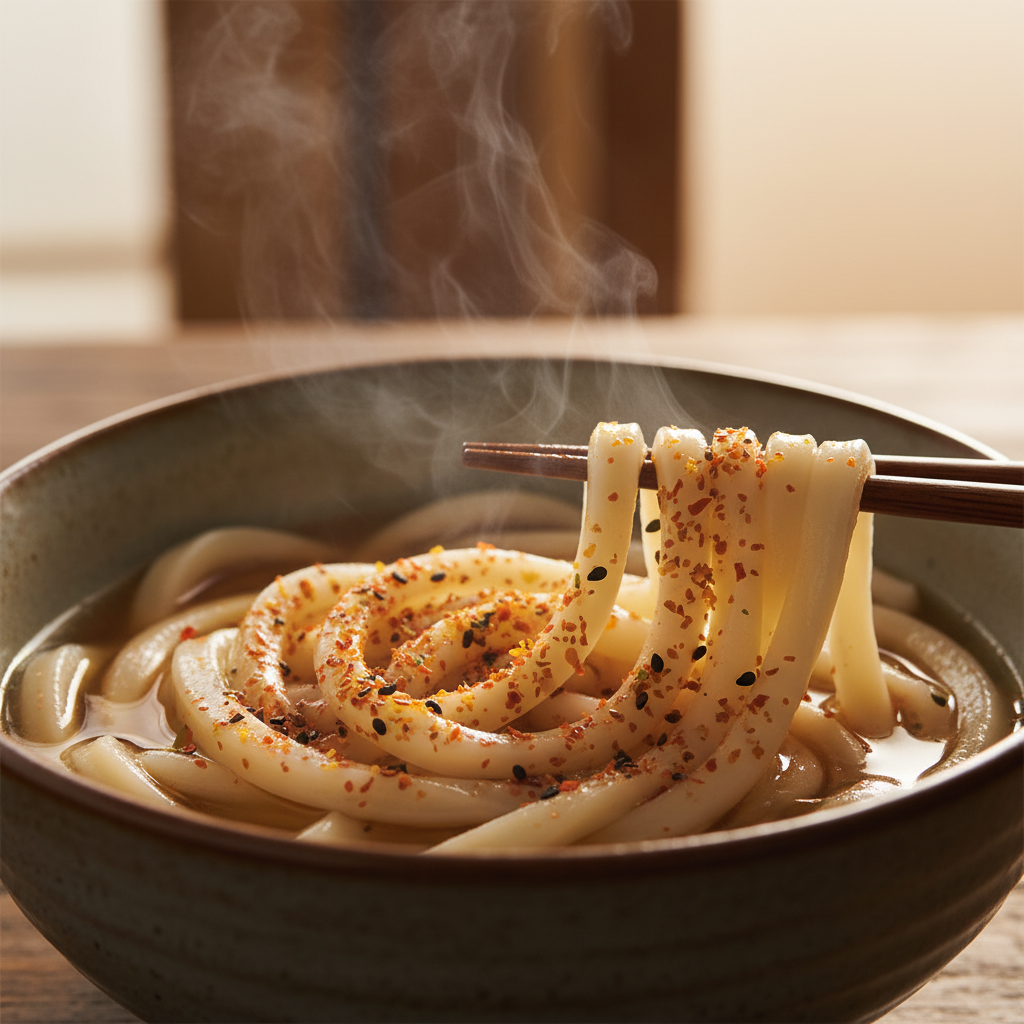
Its best culinary uses include sprinkling over noodle dishes like udon or soba to enhance heat and aroma, seasoning grilled meats such as yakitori or steak, and flavoring rice bowls or soups. Two common mistakes are overusing togarashi which can overpower a dish, and applying it too early in cooking causing the delicate aromatics to dissipate. A simple method for beginners is to start by sprinkling togarashi just before serving to preserve its bright and vibrant qualities.
Q: What is the flavour profile of togarashi?
A: Togarashi has a balanced spicy heat combined with citrusy brightness, nutty sesame aroma, and umami from seaweed, with a slightly crunchy texture.
Q: What goes well with togarashi?
A: It pairs well with noodles, grilled meats, rice bowls, seafood, tofu, vegetables, soups, and sesame oil, providing a versatile boost of heat and aroma.
Q: How to enhance spice flavor?
A: To enhance its spice flavor, apply togarashi towards the end of cooking or as a finishing seasoning to preserve its aromatic oils and bright heat.
Q: What is the difference between shichimi and togarashi?
A: Shichimi togarashi is a specific seven-ingredient version of togarashi that typically includes chili pepper, orange peel, sesame seeds, seaweed, ginger, and other spices, while togarashi can refer more broadly to chili pepper or related blends.