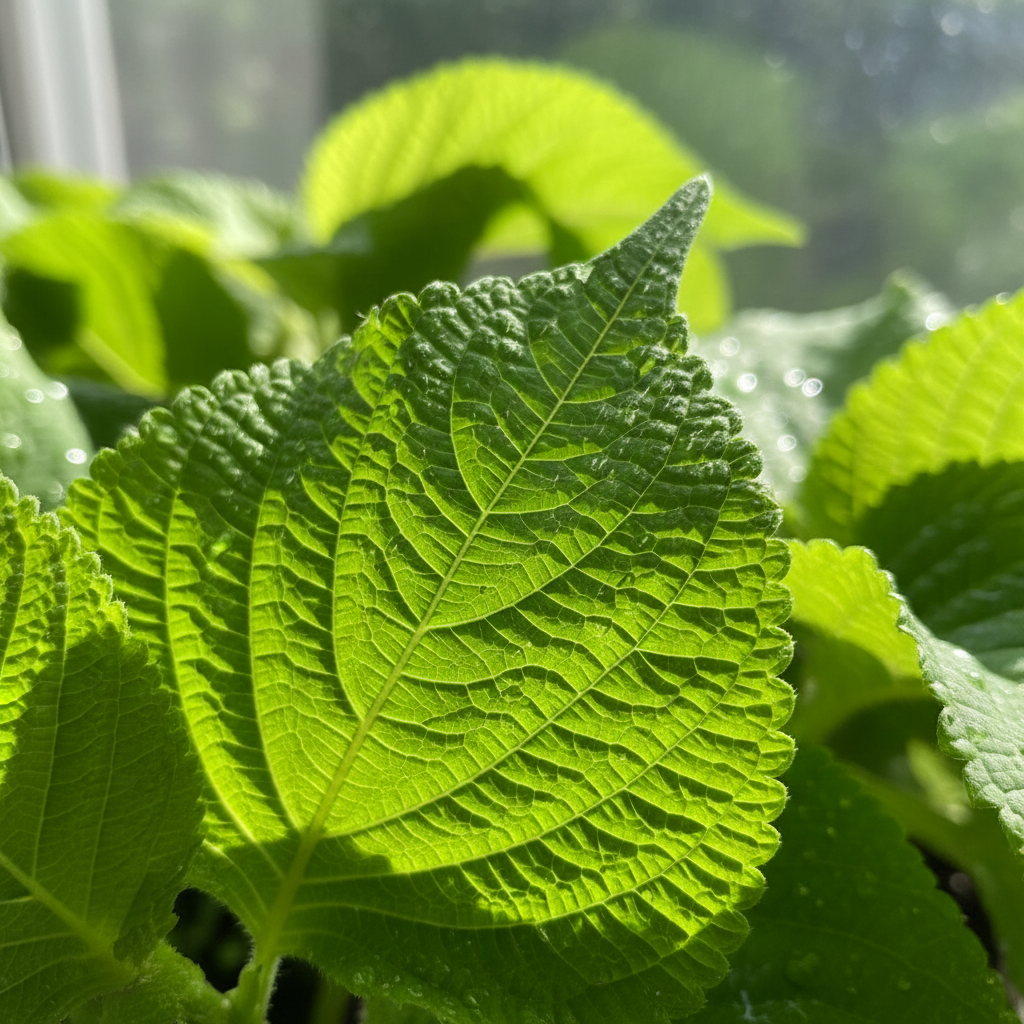
Shiso, also known as Perilla frutescens, originates from East Asia, with Japan, Korea, and China being the primary regions where it has been cultivated for centuries. It thrives in temperate climates with warm summers and mild winters, favored for its ability to grow well in well-drained, fertile soil. Traditionally, shiso has played a significant cultural role in these countries, commonly used in Japanese cuisine as a garnish or flavoring agent and in Korea as a leafy vegetable or wrapping herb for grilled meats.
Its historical usage in East Asian culinary and medicinal practices highlights shiso's importance beyond flavor. In Japan, for example, shiso leaves are often incorporated in sushi and sashimi preparations, offering a refreshing aromatic note and believed digestive benefits. In Korea, roasted and fermented versions of the plant also hold a traditional place in home cooking.
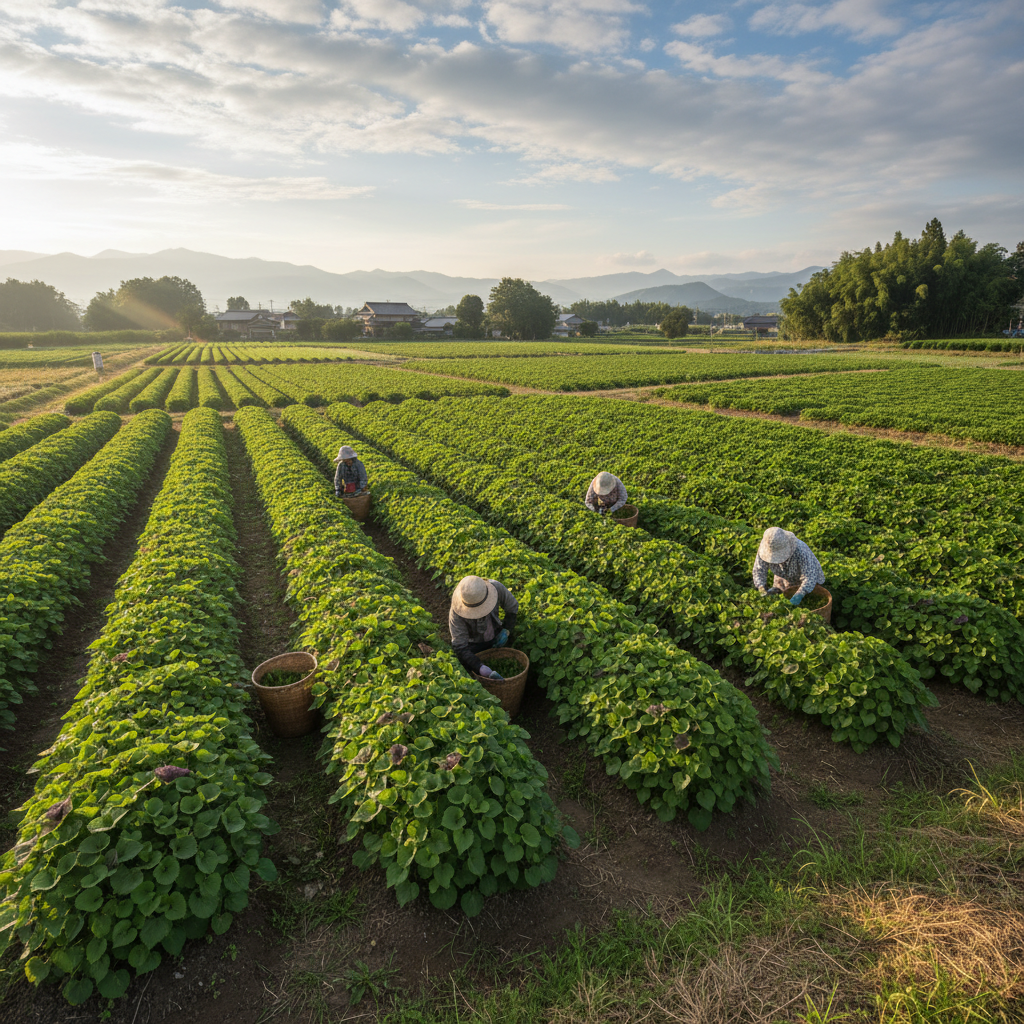
Shiso plants are typically grown from seed in spring and require well-drained, nutrient-rich soil with consistent moisture. Farmers cultivate shiso in open fields or greenhouses in regions with temperate climates. The plant grows quickly during warm months and can reach maturity in 50 to 70 days. Farmers generally monitor leaf size, color, and aroma to determine readiness for harvest—the leaves should be vibrant green (or purple, depending on the variety) and well-formed.
Harvesting is usually done by hand to carefully pick the tender young leaves without damaging the stem, which ensures vigorous regrowth for subsequent harvests. Post-harvest, the leaves are immediately sorted to remove damaged or yellowing leaves, gently washed in cold water to remove any soil or insects, and then air-dried or spun dry to remove excess moisture before packaging. In some cases, leaves destined for preservation may be blanched briefly before drying.
For dried or processed shiso products, further steps include dehydration to lock in flavor and color. Quality indicators include bright leaf color and intact leaf structure without brown or wilted patches. Properly dried shiso maintains aroma and flavor for up to 6 months when stored in airtight containers away from heat and light.
Typical retail prices for fresh shiso leaves range from about $4 to $8 per bunch in the United States, with dried or preserved forms commanding higher prices per weight. Three primary factors influencing the price include seasonal availability (fresh shiso is more expensive out of peak growing season), the growing method (organic or greenhouse-grown leaves often cost more), and the quality grade based on leaf color and freshness.
Curious home cooks can usually find fresh shiso in Asian grocery stores, specialty markets, and farmers' markets during growing seasons, while dried or preserved versions may be more common in bulk spice or herb sections. When purchasing, a practical tip is to choose leaves with a vibrant color and avoid bunches with yellowing or wilted leaves to ensure the freshest flavor and longest shelf life.
Shiso has a complex flavor profile characterized by a fresh, slightly minty aroma with hints of basil and anise, subtle citrus notes, and a mild bitterness. The texture of fresh shiso leaves is tender yet slightly crisp, making it versatile in a range of dishes. Three of the best culinary uses include incorporating green shiso as a fresh garnish in sushi, mixing chopped leaves into salads or cold noodles for an herbal brightness, and using leaves as wraps for grilled or fried meats.
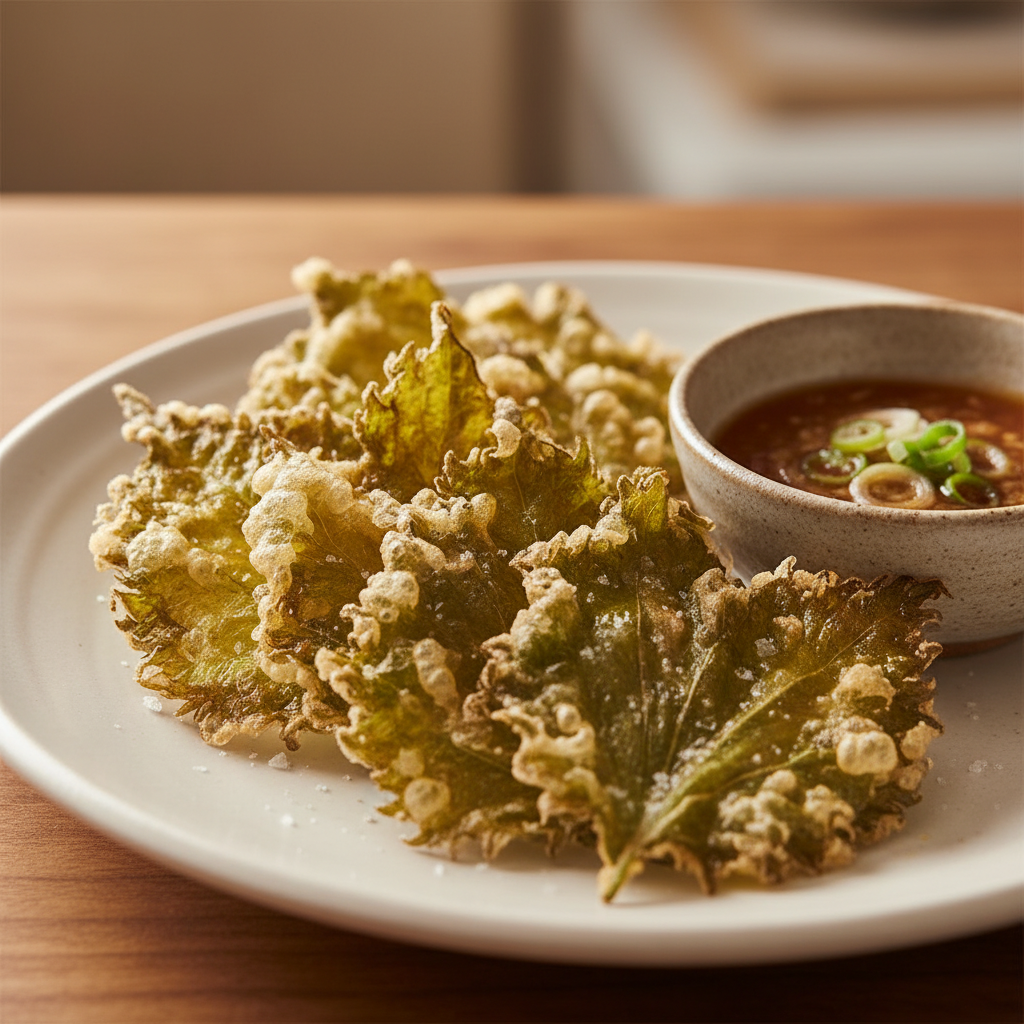
Common mistakes include using shiso leaves when they are too old or wilted, which diminishes flavor and texture, and overcooking leaves which causes bitterness and loss of aroma. For beginners, a simple method to try is making crispy shiso leaves by briefly frying washed leaves in hot oil until crisp, then seasoning them lightly with salt for a crunchy snack or garnish.
Q: How do you prepare shiso leaves?
A: Rinse the leaves gently in cold water, pat dry, and either use whole as a garnish, chopped for salads and dishes, or fry briefly to make them crispy.
Q: How do you use green shiso?
A: Green shiso can be used fresh in salads, sushi, or cold noodle dishes, chopped as a herb, or fried to make crispy garnishes.
Q: Are you supposed to eat shiso leaves?
A: Yes, shiso leaves are edible and are enjoyed fresh or cooked in various East Asian dishes for their unique flavor and aroma.
Q: How do I make shiso crispy at home?
A: Heat a small amount of oil in a pan, fry rinsed and dried shiso leaves for 10 to 20 seconds until crisp, then drain and season with salt.