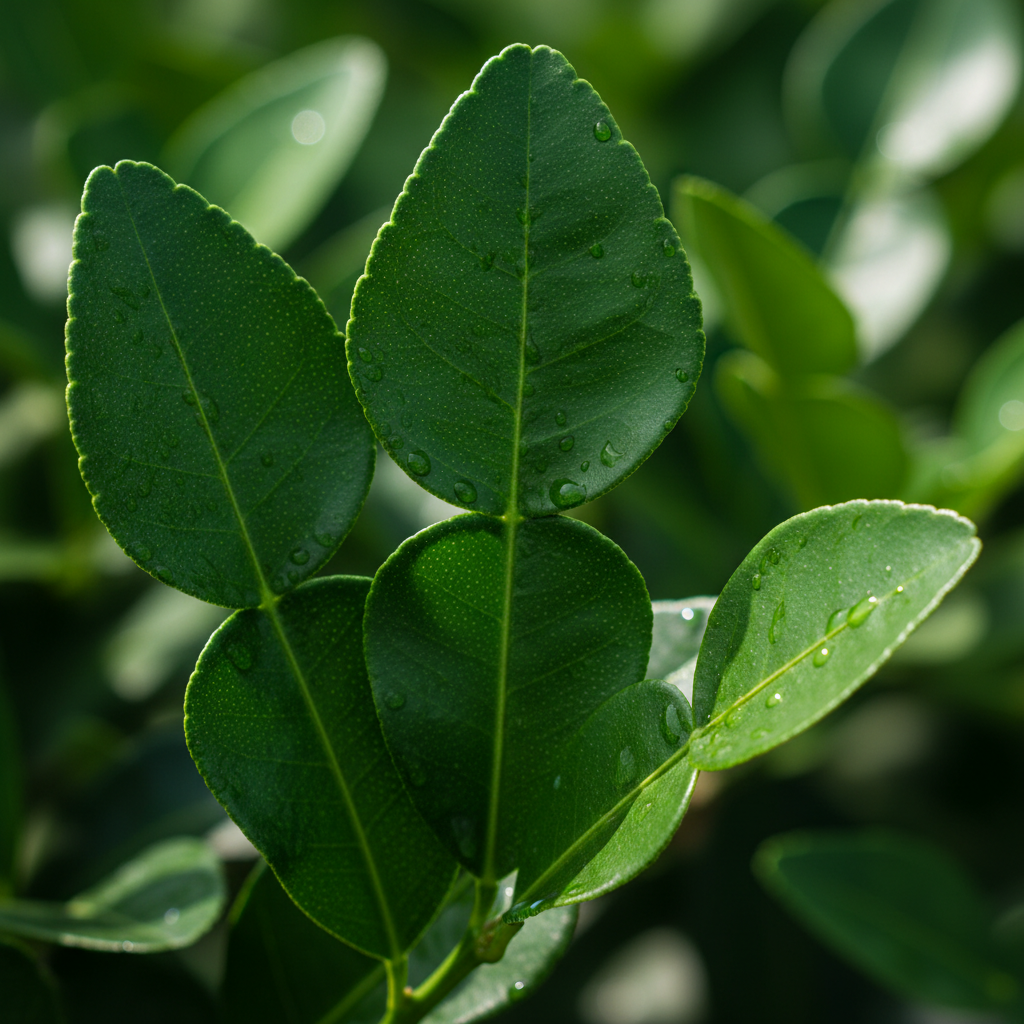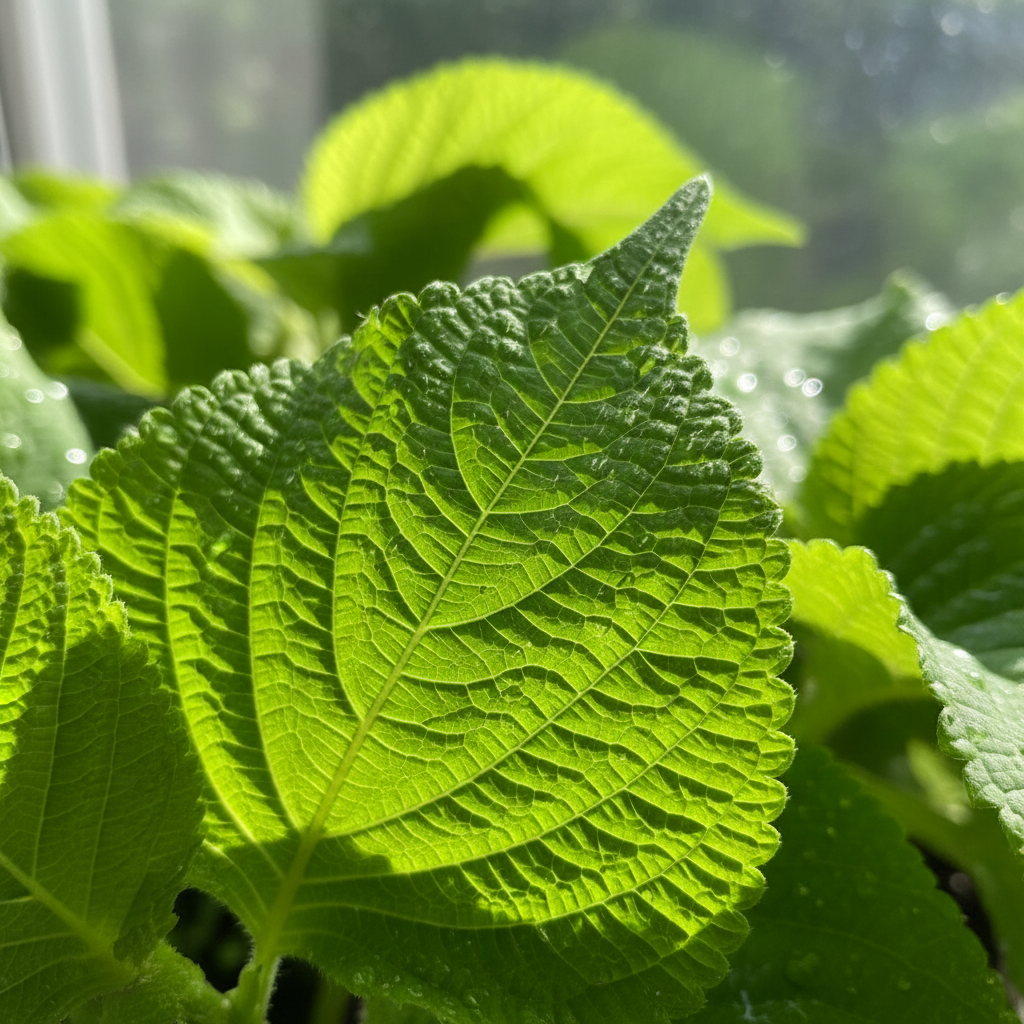

Grains of paradise come from the seeds of the Aframomum melegueta plant, native to the tropical climate of West Africa, particularly found in countries such as Ghana, Nigeria, and Ivory Coast. This region's hot, humid climate with rich, well-draining soils provides an ideal environment for cultivating this plant, which belongs to the ginger family.
Historically, grains of paradise have had deep cultural significance in West African cuisine and traditional medicine, used both for their vibrant peppery flavor and believed health benefits. The spice was also part of ancient trade routes and was often used as a substitute for black pepper in medieval Europe.
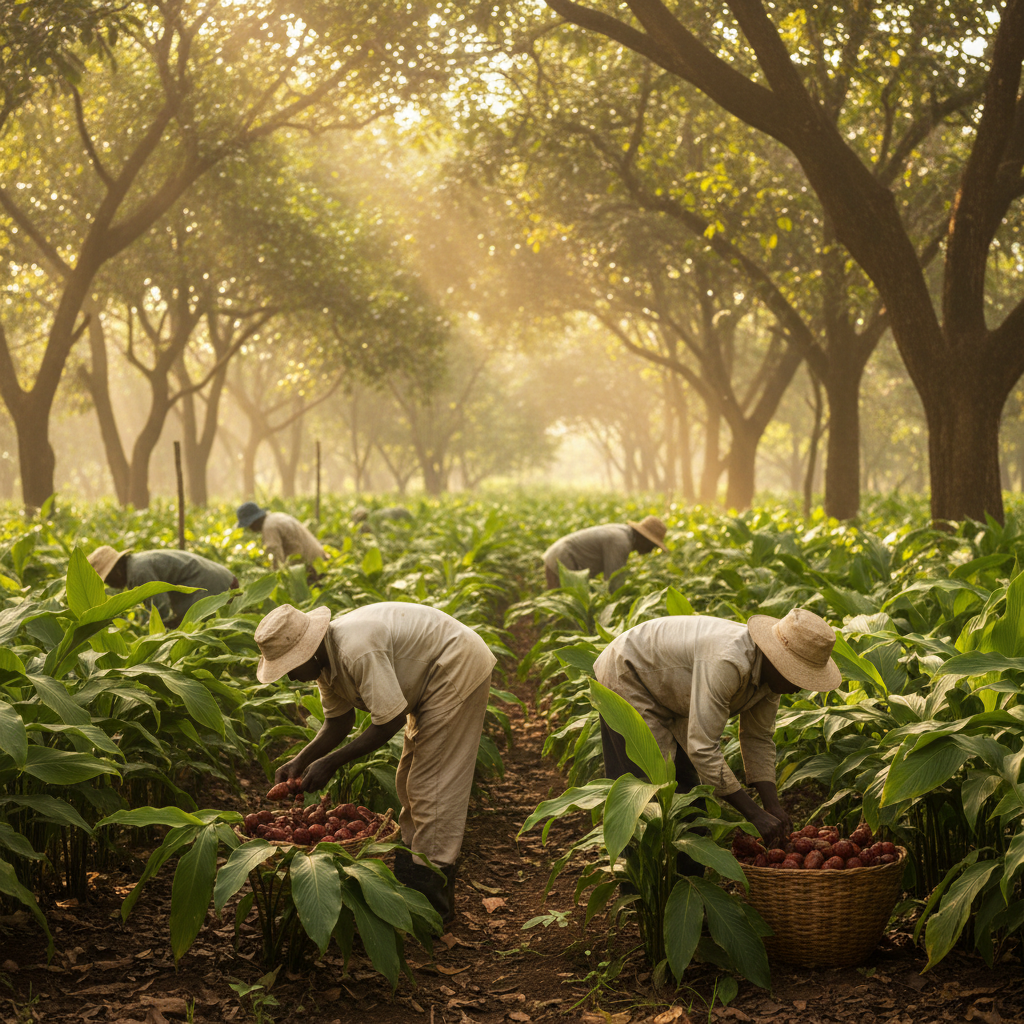
The Aframomum melegueta plant thrives in tropical, humid conditions with temperatures ranging between 75°F and 90°F and prefers fertile, loamy soil rich in organic material. Typically grown as an understory crop in shaded areas within forests or farms, the plants flower and produce seed pods throughout the rainy season, which lasts several months.
Farmers monitor the seed pods until they mature and turn a reddish-brown color, an indication that the grains inside are ready for harvest. These pods are often hand-harvested to avoid damage. Once picked, the seeds are extracted by opening the pods and then carefully sorted to remove debris and defective seeds.
Post-harvest, the seeds are sun-dried thoroughly to reduce moisture content and enhance flavor concentration. After drying, they are sometimes lightly roasted before being ground or sold whole. Quality grains of paradise are characterized by a uniform size, dry texture, and a strong spicy aroma, while poor quality seeds appear shriveled or have a musty odor. Proper storage in airtight containers away from heat and light can maintain freshness for up to a year.
Grains of paradise typically retail for about $12 to $25 per ounce, depending on source and quality. Price fluctuations are mainly influenced by availability due to seasonal harvest cycles, the labor-intensive hand-harvesting process, and shipping costs from West Africa.
Home cooks are most likely to find grains of paradise in specialty spice shops, high-end grocery stores, or online spice retailers. When buying, look for seeds that are dry and aromatic rather than dull or dusty, indicating freshness and proper processing. Purchasing smaller quantities first is a practical tip to test its culinary compatibility before investing in larger amounts.
Grains of paradise offer a warm, slightly peppery heat with hints of citrus and a subtle floral aroma. The flavor also carries mild earthy and grassy notes, adding complexity without overwhelming dishes. Texturally, the whole seeds are crunchy before grinding, which releases their pungent oils.
Three of the best culinary uses include using it ground as a pepper substitute in spice rubs for meat and fish, infusing it into sauces and stews to add warmth and brightness, and adding it to vegetable dishes or grains for a layered spice character. Common mistakes include using it in excessive amounts, which can overpower a dish, and not grinding it fresh, resulting in diminished aroma and potency.
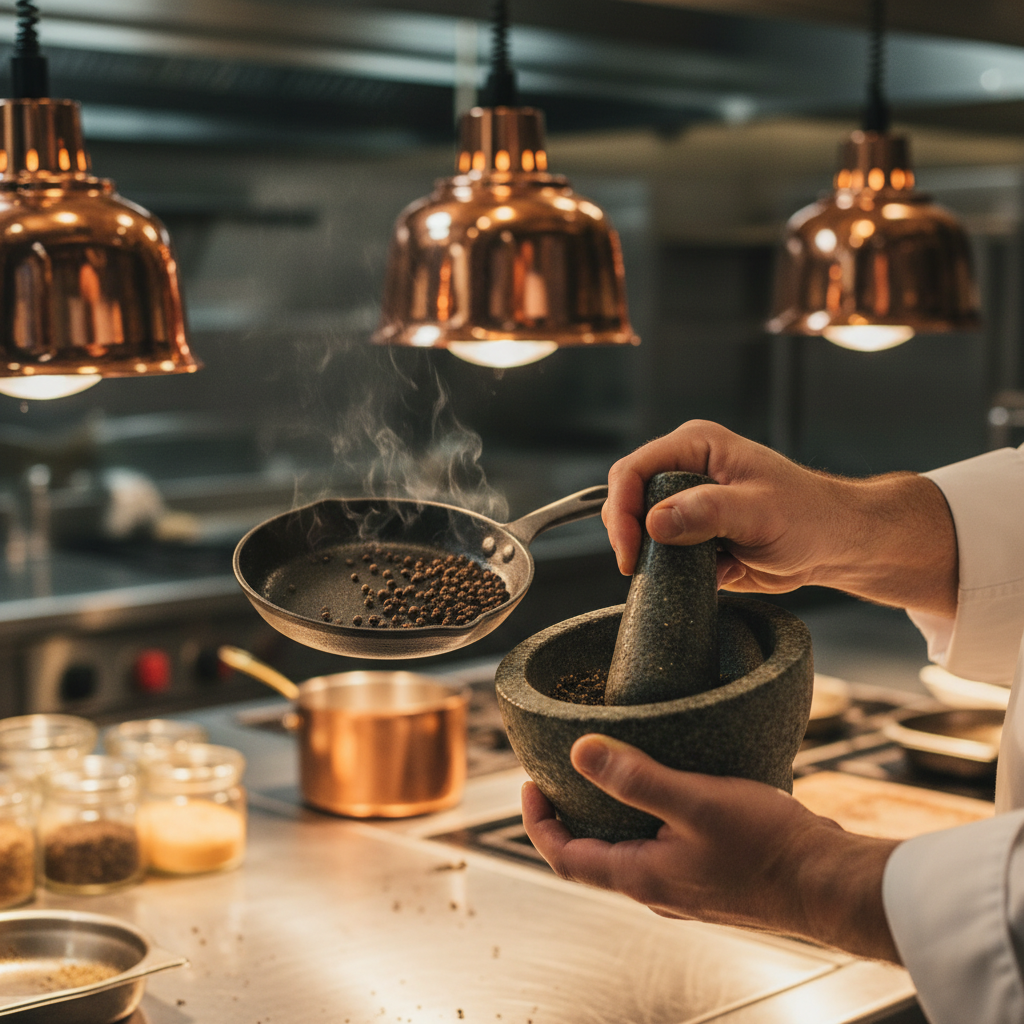
A simple first-time method is to lightly toast a teaspoon of grains of paradise over medium heat to awaken their aroma, then grind them before sprinkling on roasted vegetables or grilled chicken.
Q: How to use grains of paradise?
A: Use grains of paradise by toasting and grinding the seeds to add a warm peppery flavor with citrus notes to meats, vegetables, and sauces.
Q: Do grains of paradise have any side effects?
A: When used in typical culinary amounts, grains of paradise are generally safe; excessive consumption may cause mild digestive discomfort in sensitive individuals.
Q: Do you need to grind grains of paradise?
A: Grinding is recommended to release the full aroma and flavor, though whole seeds can be used for infusions or to add texture.
Q: What's the best way to store grains of paradise?
A: Store in an airtight container, away from heat and light, to preserve freshness and aroma for up to one year.