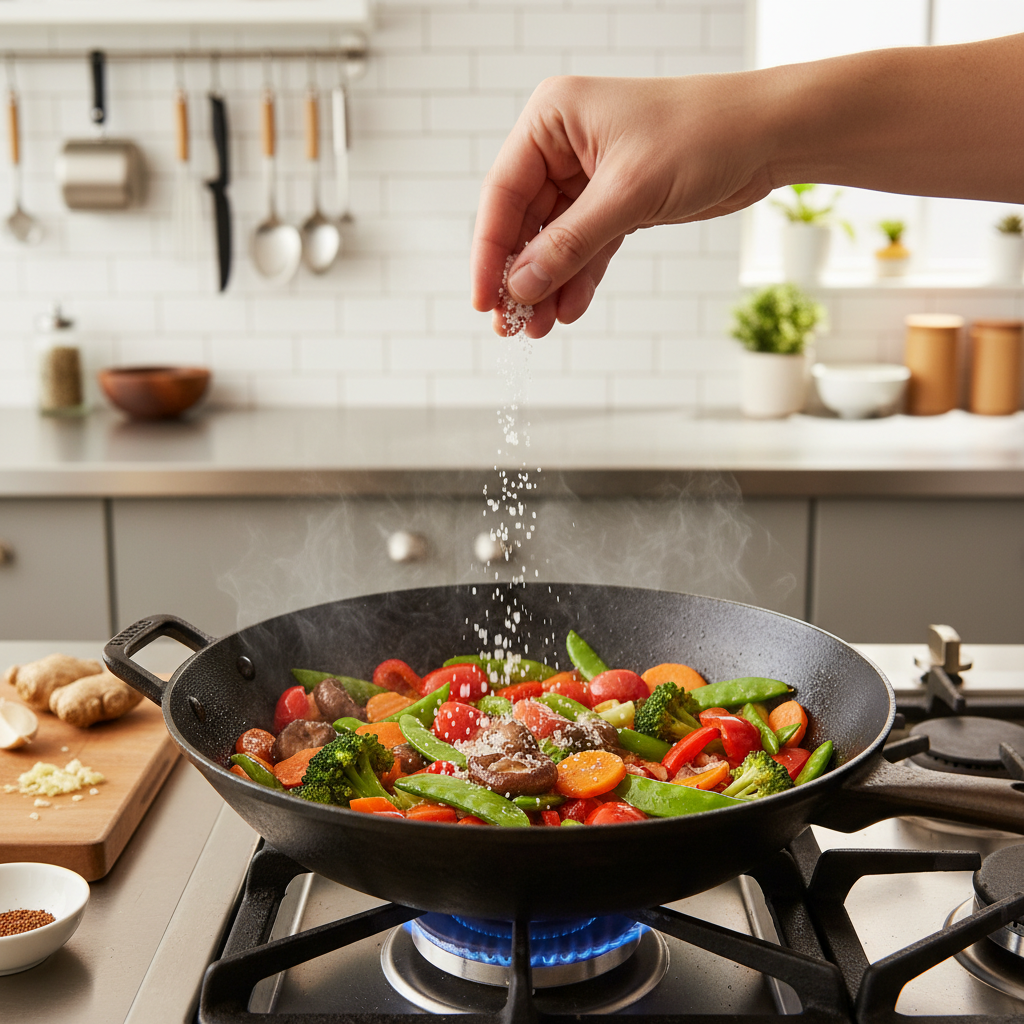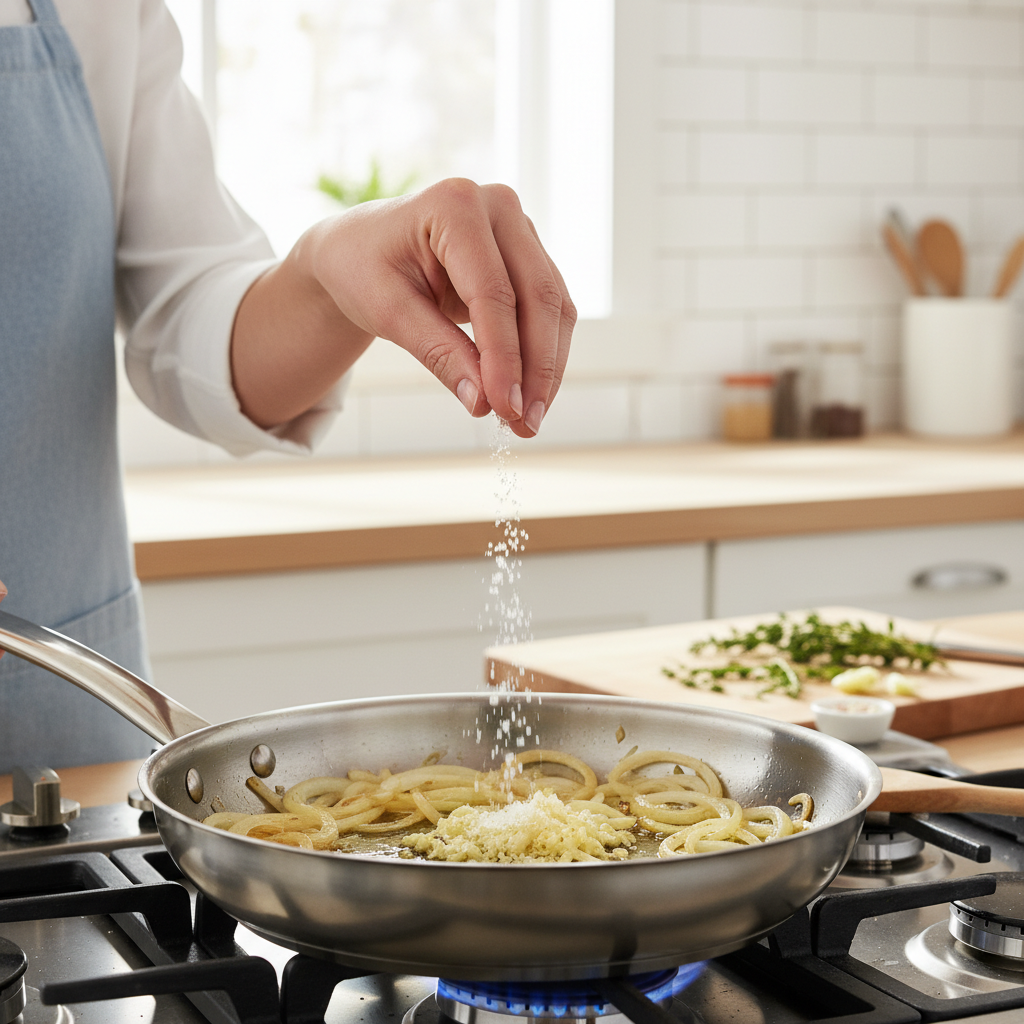

Seasoning potatoes properly is an art that transforms a simple starch into a dish bursting with vibrant flavor. Understanding how to layer and balance seasoning can elevate your potato dishes to restaurant-quality taste.
Flavor building starts with four key elements: salt, acid, fat, and aromatics. Salt enhances natural potato sweetness and umami, acid adds brightness to avoid dullness, fat helps carry flavors and create a pleasing mouthfeel, and aromatics like garlic or onion add depth.
Heat, such as roasting or frying, develops caramelized notes that complement your seasoning.
Start with a base seasoning of salt immediately after cutting or parboiling potatoes to ensure penetration. Add spices and herbs midway to allow the flavors to meld, and finish with fresh aromatics or acid just before serving to maintain vibrancy.
Taste your potatoes at multiple stages. If the flavor feels flat, add a pinch of salt or a squeeze of lemon juice to brighten. Rely on gradual additions rather than large doses to prevent over-seasoning.
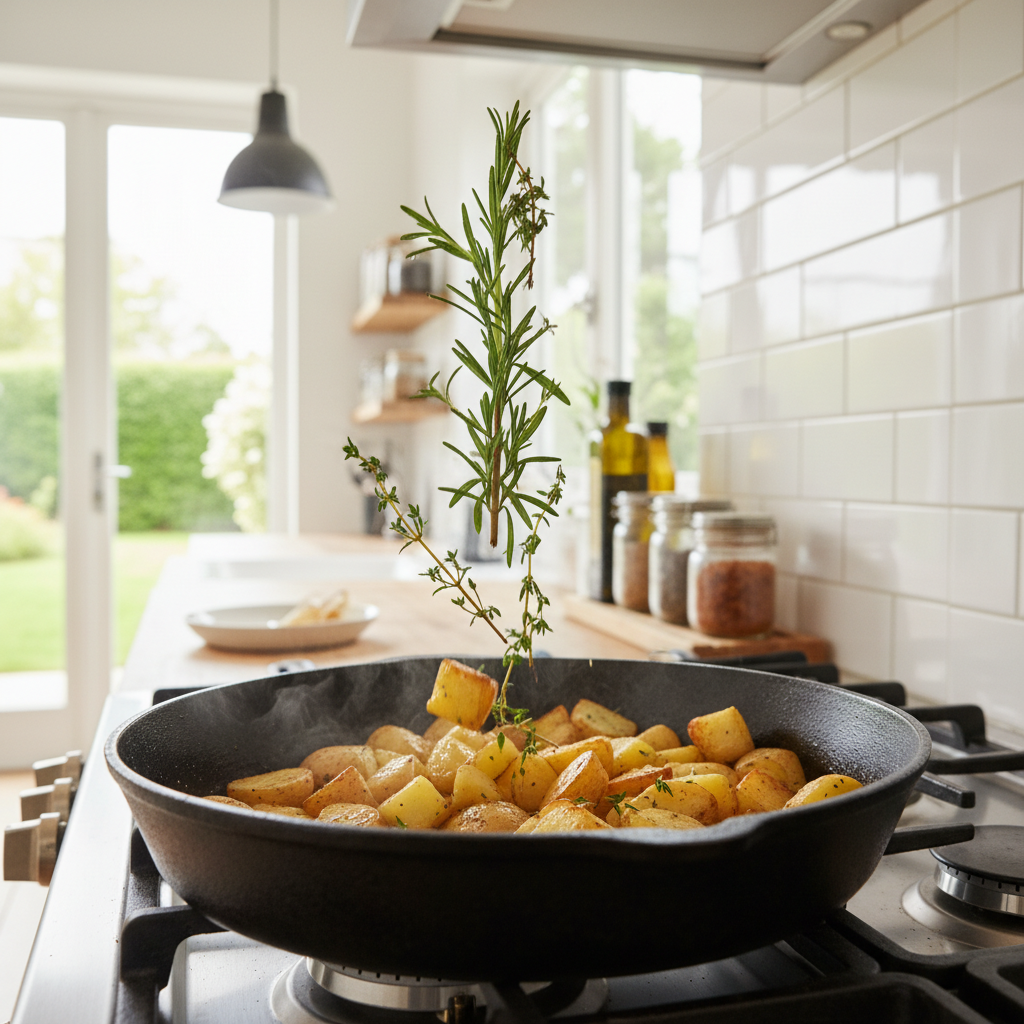
Prepare boiled potatoes seasoned only with salt. Next, try a batch seasoned with salt plus a pinch of smoked paprika and a squeeze of lemon juice at the end. Compare flavor depth and balance.
Ask yourself: Is the potato sufficiently salty without being overwhelming? Do I detect brightness from acid? Are the spices and herbs enhancing rather than masking? Is there a layered complexity, or does it taste flat?
Q: How much salt should I use for seasoning potatoes?
A: A common standard is about 1 teaspoon of kosher salt per pound of potatoes, adjusted to taste.
Q: Can I use dried herbs instead of fresh?
A: Yes, dried herbs can be used but are best added earlier in cooking to release their full flavor.
Q: When is the best time to add acid for potatoes?
A: Adding acid like vinegar or lemon juice at the end of cooking helps brighten flavors without diminishing texture.
Q: What spices pair well with potatoes without overpowering them?
A: Mild spices such as smoked paprika, garlic powder, or black pepper complement potatoes without masking their flavor.