Rice is a versatile staple that benefits greatly from proper seasoning. Adding aromatics is a simple yet powerful method to elevate its flavor and create a more complex taste experience.
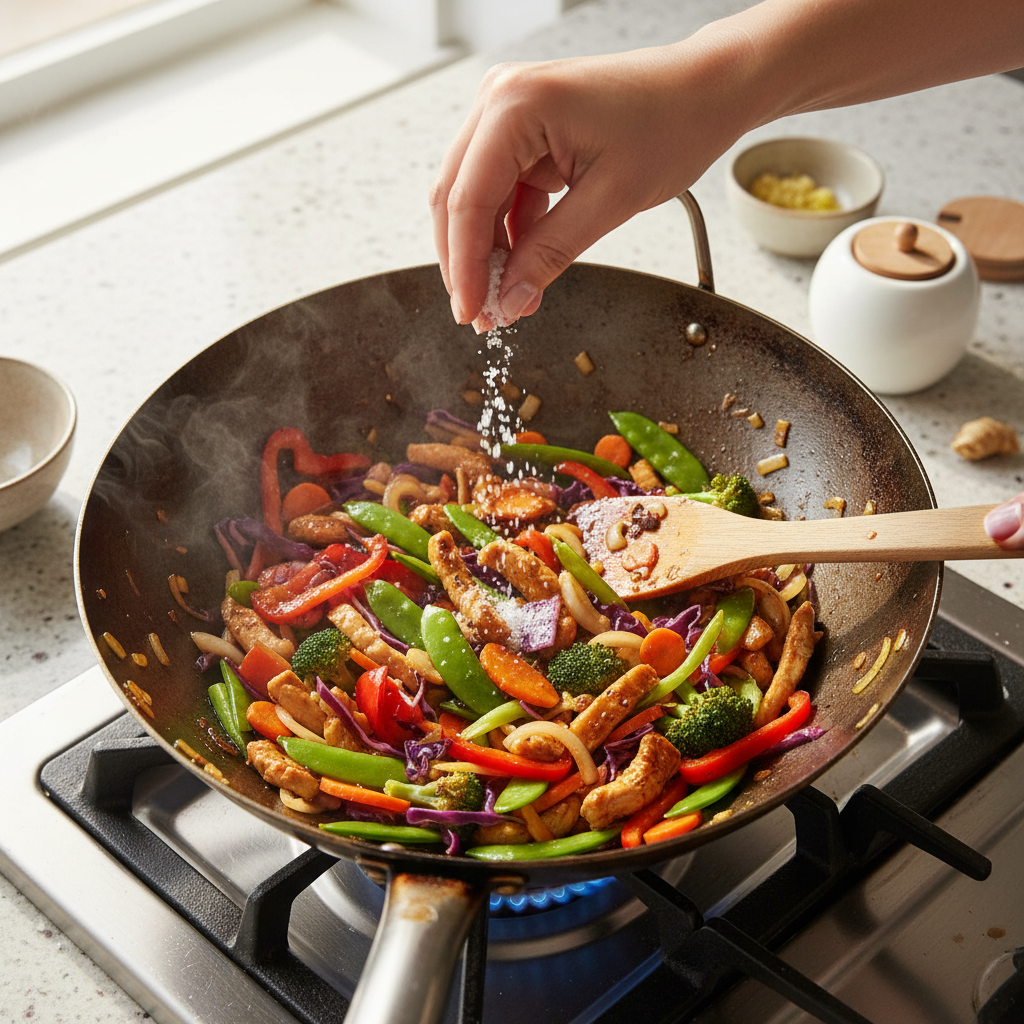
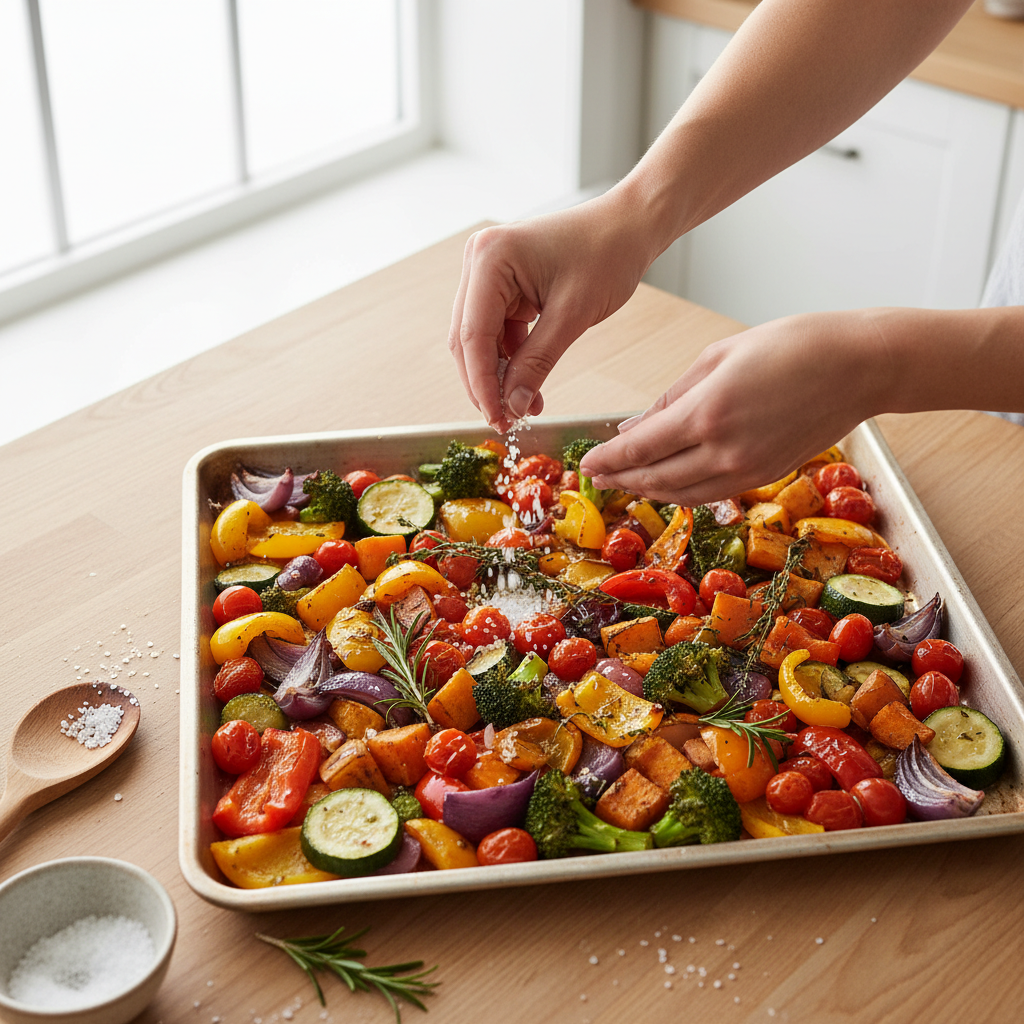
When seasoning rice, consider the five key elements of flavor: salt, acid, fat, heat, and aromatics. Salt enhances and balances taste, acid brightens and sharpens flavor, fat adds richness and mouthfeel, heat from spices or aromatics builds warmth, and aromatics such as onions, garlic, or herbs contribute depth and character.
Using these foundations helps you create rice that is more than just a bland side dish.
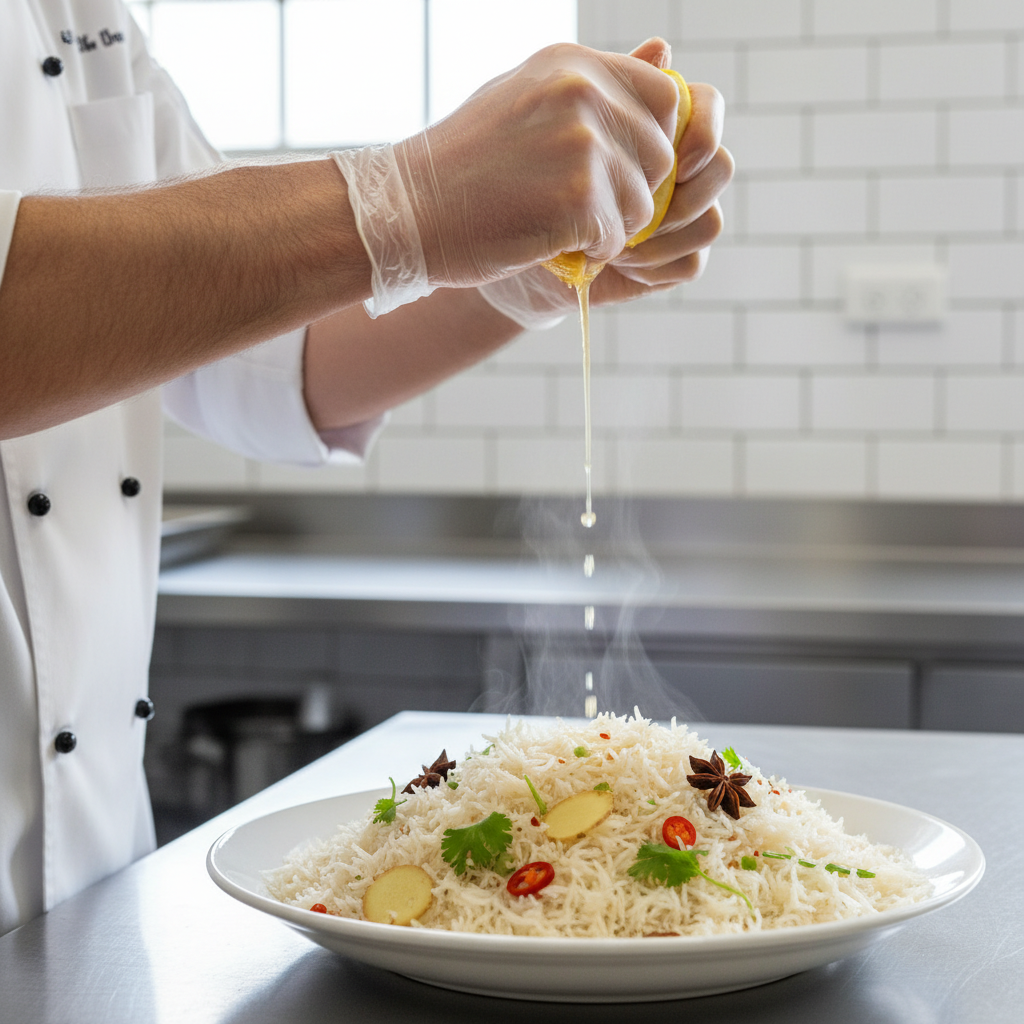
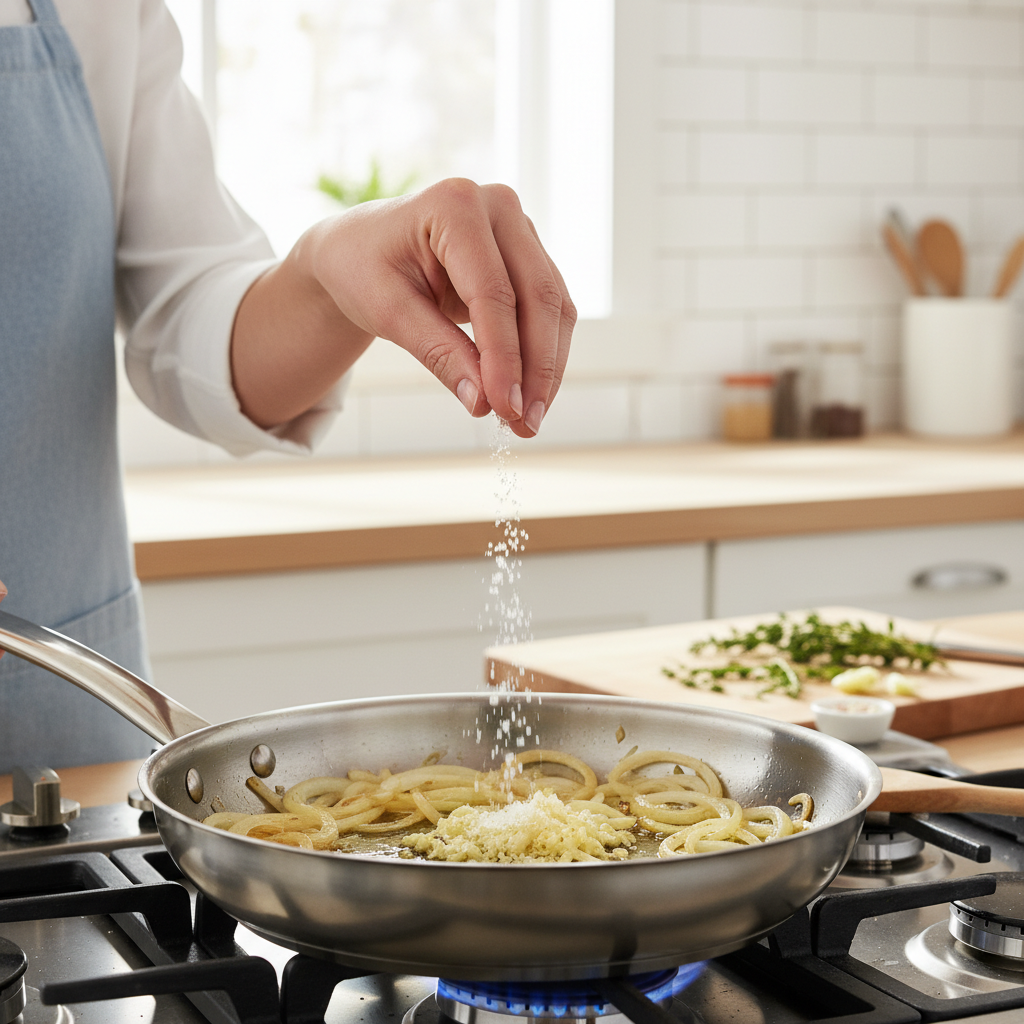
Start by softening aromatics like onions, garlic, or ginger in a bit of oil or butter before adding the rice. This infuses the base with flavor. Next, season the rice during cooking with salt and a splash of acid like lemon juice or vinegar to add brightness. Layer fresh herbs towards the end to preserve their vibrancy. Finishing touches such as a drizzle of flavored oil or a pinch of spice can complete the flavor profile.
To taste and adjust seasoning in rice, sample it at different stages: after cooking, and after adding any finishing touches. If it's flat, add a pinch of salt or a squeeze of acid. If too salty, balance with a little fat or a sweet element like a small drizzle of honey. Adjust gradually, tasting after each change.
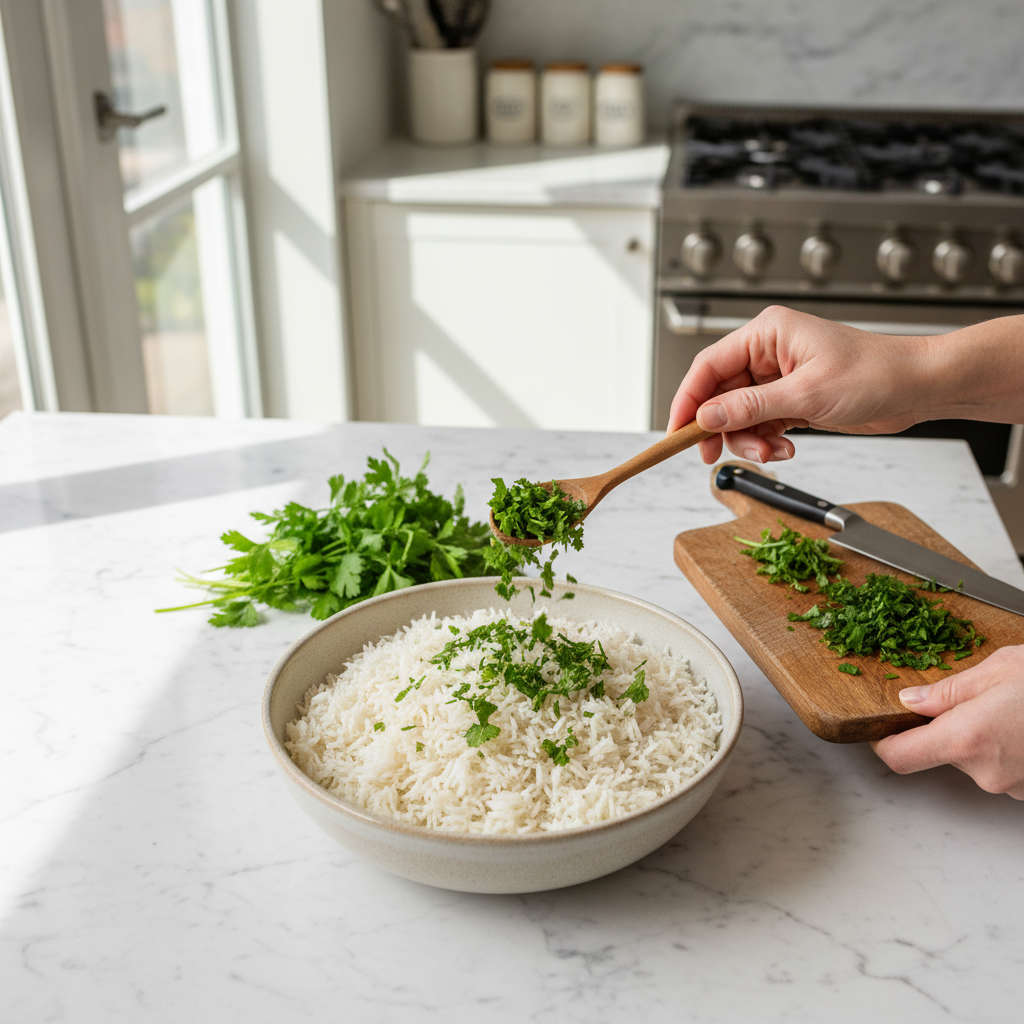
Cook plain white rice with just salt as a baseline. Then, prepare a second batch adding onions and garlic fried in oil first, with a pinch of salt. Taste both and note the difference. Finally, add a squeeze of lemon and chopped herbs to a portion and observe how these finishing touches alter the flavor profile.
Is the rice seasoned well without overpowering any one flavor? Are the aromatics noticeable but balanced? Does the dish have brightness from acid and richness from fat? Is there a satisfying umami or warmth? Has it been tasted and adjusted at multiple stages?
Q: When should I add aromatics to rice?
A: For best flavor, sauté aromatics like onions and garlic in fat before adding rice to toast and infuse it with their taste.
Q: How much salt is typical when seasoning rice?
A: A common standard is about 1/2 teaspoon of salt per cup of uncooked rice, adjusted to taste.
Q: Can I add herbs while the rice cooks?
A: Delicate fresh herbs generally do best added at the end or as a finishing touch to preserve their brightness.
Q: Why add acid to rice?
A: Acid brightens and balances the flavors, preventing rice from tasting flat or dull.
Q: Are spices recommended for seasoning rice?
A: Yes, warming spices like cumin or smoked paprika can complement aromatics and add complexity when used in moderation.